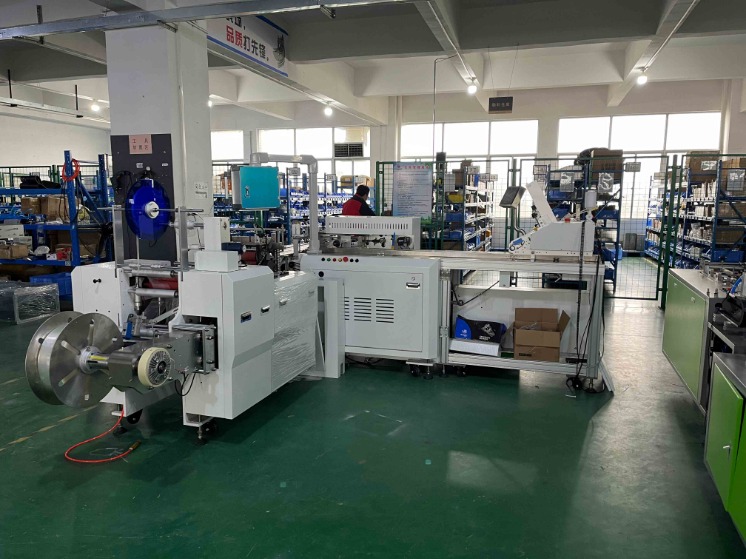
A specialized packaging machinery manufacturer can reduce operating costs by improving automation, lowering material waste, reducing energy use, and extending equipment lifespan. Companies using advanced packaging systems can often achieve 15%–40% lower energy consumption, 20%–50% less unexpected downtime, and 30%–60% fewer manual operations depending on production conditions.
Modern packaging costs are influenced by more than the machine purchase price. Equipment efficiency affects labor requirements, material consumption, maintenance frequency, production speed, and product quality. A specialized packaging machinery manufacturer studies the complete production process and designs equipment based on actual operating conditions, helping manufacturers control expenses throughout the machine lifecycle.
A packaging line running 24 hours per day can lose thousands of dollars from small inefficiencies. For example, a machine producing 100,000 packages daily with a 2% material waste rate may consume significantly more film, labels, or cartons than a system optimized for precise control. Improving accuracy through better mechanical design and automation can reduce waste by 1%–5% in many packaging applications.
Packaging equipment should be evaluated by cost per packaged unit rather than only the initial purchase price.
Automation is one of the most effective ways specialized machinery reduces operating expenses. Labor costs continue to increase in many manufacturing regions, and repetitive packaging tasks often require multiple operators for feeding, inspection, sealing, and packing.
Modern packaging systems integrate servo motors, robotic handling, automatic feeding systems, and machine vision inspection. In industries such as food, pharmaceutical, and consumer goods manufacturing, automated solutions can reduce manual labor requirements by 30%–60% while maintaining stable production output.
For example, an automated carton packaging line can complete product loading, folding, sealing, and inspection with fewer operators compared with traditional manual processes. When production volume reaches millions of units annually, reducing even two or three operator positions can create measurable savings.
Automation also improves production consistency. Manual operations often create variations in filling volume, sealing strength, labeling accuracy, and package appearance. Advanced machines use sensors and control systems to maintain stable parameters, reducing rejected products and rework costs.
A specialized manufacturer can design equipment based on specific product sizes, packaging materials, and production speeds. This approach avoids unnecessary functions and improves equipment utilization. Many companies select suppliers such as a China packaging equipment factory when they require customized packaging solutions with competitive manufacturing capabilities.
Material efficiency is another area where packaging machinery directly affects operating costs. Packaging materials can represent a large portion of manufacturing expenses, especially for industries using flexible films, aluminum foil, cartons, and plastic containers.
Precision cutting, accurate filling, and stable sealing systems help reduce excessive material consumption. A packaging machine with improved tension control can maintain consistent film usage, while accurate filling systems prevent overfilling and product loss.
| Improvement Area | Typical Cost Reduction Potential |
|---|---|
| Material waste reduction | 1%–5% |
| Energy efficiency improvement | 15%–40% |
| Labor reduction through automation | 30%–60% |
| Downtime reduction with monitoring | 20%–50% |
These improvements become more significant as production volume increases. A manufacturer producing 50 million packages annually may save substantial amounts from a small reduction in packaging material waste or machine downtime.
Energy consumption is another major operating expense. Packaging machines often run for thousands of hours each year, making power efficiency an important factor in total production costs.
Traditional pneumatic systems may consume more compressed air because of continuous air supply requirements. Newer packaging equipment uses high-efficiency servo motors, variable frequency drives, and optimized motion control systems to reduce unnecessary energy use.
Studies of industrial automation systems have shown that servo-based solutions can reduce energy consumption by approximately 20%–50% compared with older mechanical or pneumatic designs in suitable applications. Heating systems used for sealing and shrink packaging can also be optimized through accurate temperature control, reducing energy loss.
Lower energy use also supports environmental requirements. Many manufacturers now evaluate equipment based on both operating costs and sustainability performance, especially as factories work toward lower emissions targets established after 2020.
Maintenance expenses represent another important part of equipment ownership costs. A machine that stops unexpectedly can interrupt production schedules, delay shipments, and increase labor expenses.
Specialized packaging machinery manufacturers improve reliability through stronger mechanical structures, better component selection, and easier maintenance access. Modern systems may include sensors that monitor motor temperature, vibration levels, operating cycles, and production performance.
Predictive maintenance programs based on equipment data can reduce unexpected downtime by 20%–50% in industrial environments. Instead of waiting for equipment failure, operators can replace worn components during planned maintenance periods.
A packaging machine designed for easier maintenance can reduce service time by improving access to components and simplifying replacement procedures.
Machine lifespan also affects long-term operating costs. Equipment designed with durable components and optimized mechanical movement generally requires fewer major repairs during years of operation.
Customization provides additional cost advantages because different industries have different packaging requirements. A pharmaceutical company may need high-precision filling and contamination control, while a food manufacturer may require fast cleaning procedures and high-speed production.
Standard equipment may require additional modifications after installation. Customized systems reduce this need by matching machine design with factory conditions, product specifications, and production targets.
For example, a company producing multiple package sizes may benefit from quick-change tooling and software-based adjustment systems. These features allow operators to switch between products faster, reducing setup time and improving daily production capacity.
Production data management is becoming more common in packaging operations. Intelligent packaging machines can collect information about speed, downtime causes, material usage, and product quality.
Manufacturers can analyze this information to identify areas where production efficiency can improve. A packaging line operating at 92% efficiency instead of 96% may appear to have a small difference, but at high production volumes the annual cost impact can be significant.
Industrial connectivity technologies introduced widely after 2015 have helped factories monitor equipment performance in real time. Digital monitoring systems allow operators to adjust settings, identify abnormal conditions, and maintain stable production.
Safety improvements can also reduce operating expenses. Modern packaging equipment includes protective sensors, automatic shutdown systems, and improved operator interfaces that reduce accident risks and production interruptions.
Companies investing in newer packaging machinery often consider the total cost of ownership over 5–10 years. A machine with a higher initial price may provide lower long-term expenses through reduced energy consumption, fewer repairs, and higher production output.
The most economical packaging solution is usually the one that maintains stable production with fewer resources over many years.
Choosing a specialized packaging machinery manufacturer requires evaluating engineering capability, industry experience, after-sales support, and equipment performance data. Manufacturers that understand specific production requirements can create systems that reduce unnecessary costs while improving daily operations.
Through automation, material optimization, energy-saving design, predictive maintenance, and customized engineering, advanced packaging machinery helps companies lower operating expenses and maintain reliable production performance in competitive global markets.