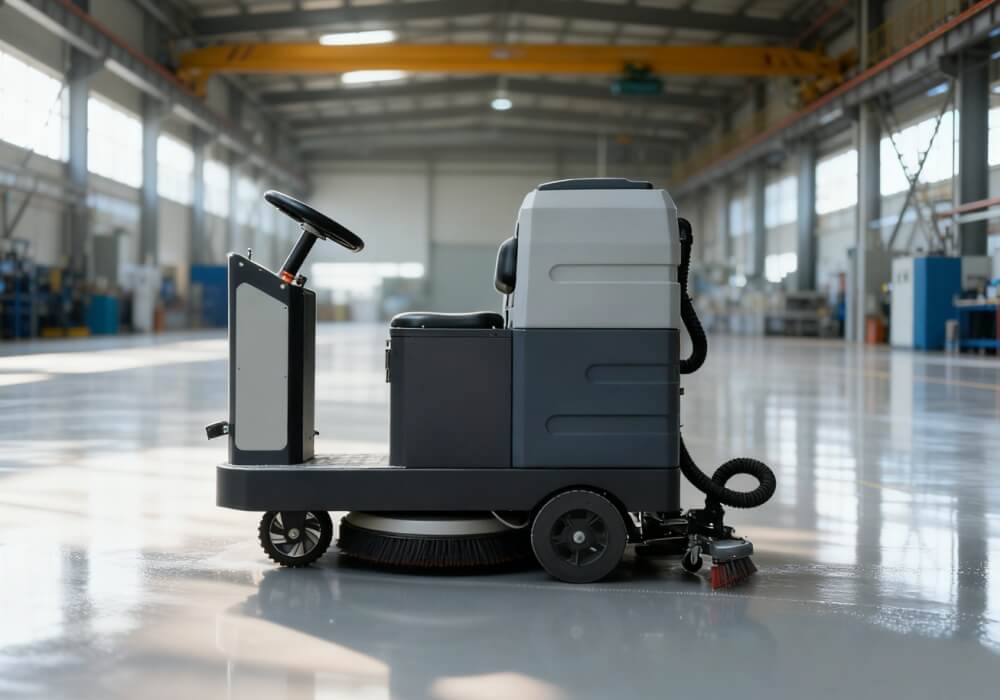
Selecting floor cleaning machines for hotel lobbies and corridors requires matching equipment capacity with floor materials, traffic levels, and daily cleaning schedules. Hotels with 200–500 rooms often manage thousands of square meters of public flooring every day, so equipment productivity, water recovery, noise control, and maneuverability directly affect maintenance efficiency. Automatic scrubber dryers with 500–700 mm cleaning widths can cover large lobby areas, while compact machines are better suited for narrow corridors and elevator areas. A suitable machine can reduce manual cleaning time by more than 30% compared with traditional mop-based methods in large commercial spaces.
Hotel lobbies create the first visible impression for guests, which makes floor appearance a daily maintenance priority. Entrance areas usually receive the highest amount of dirt because outdoor particles, rainwater, and luggage movement continuously introduce contamination. A lobby covering 300 square meters may require several cleaning cycles per day during busy periods, especially in hotels with high occupancy rates above 80%.
The equipment used in these areas needs to remove dust, footprints, and liquid marks while maintaining the finish of decorative flooring. Marble, granite, terrazzo, and luxury vinyl tile are common hotel flooring materials, but each surface responds differently to brush pressure and cleaning chemicals.
“A machine designed for industrial warehouses may provide strong cleaning power but can be unsuitable for hospitality spaces where noise, appearance, and surface protection are equally important.”
Automatic scrubber dryers are widely used because they combine washing and drying processes in one pass. Instead of using separate mopping, rinsing, and drying steps, operators can apply cleaning solution, scrub the floor, and recover wastewater during the same operation.
For example, a machine with a cleaning width of 600 mm and a working efficiency of 2,000 square meters per hour can maintain large public areas faster than manual cleaning teams. In facilities operating 7 days per week, this difference can significantly reduce labor hours over a year.
When selecting equipment for hotel lobbies, several specifications should be compared:
| Specification | Suitable Range for Hotels |
|---|---|
| Cleaning width | 500–700 mm for medium and large areas |
| Working efficiency | Around 1,000–3,000 m²/hour depending on model |
| Noise level | Preferably below 70 dB for guest environments |
| Battery runtime | 3–5 hours for many commercial applications |
| Water tank capacity | Selected according to cleaning area size |
The same equipment cannot always be applied to corridors because corridor cleaning involves different spatial conditions. Hotel corridors are usually long, narrow, and filled with obstacles such as room entrances, decorative furniture, and elevator areas.
A corridor measuring 1.8 meters wide and 150 meters long creates approximately 270 square meters of floor area in a single section. A hotel with 300 rooms may have multiple floors with several kilometers of corridor surfaces, requiring equipment that can move easily between restricted spaces.
Compact walk-behind scrubber dryers are often preferred for these areas because operators can control direction more precisely. Smaller turning radius, adjustable handles, and lightweight designs help workers clean corners and areas near walls.
Floor type also determines the cleaning method. Hotels commonly use several flooring materials across different zones, including stone floors in lobbies, vinyl flooring in corridors, and carpets in guest rooms.
| Floor Material | Recommended Equipment Type | Cleaning Consideration |
|---|---|---|
| Marble | Low-pressure scrubber or polishing machine | Protect surface gloss |
| Granite | Scrubber dryer | Remove dust and stains |
| LVT flooring | Medium-pressure cleaning machine | Avoid surface damage |
| Carpet | Carpet extractor | Remove embedded particles |
For properties using luxury vinyl tile, selecting suitable equipment is especially important because LVT surfaces are designed to imitate natural materials while requiring controlled maintenance. Professional suppliers such as LVTONG hotel cleaning equipment provide machines developed for commercial hotel applications, including floor scrubbers and maintenance equipment designed for different property sizes.
Cleaning schedules in hotels also influence equipment choice. Unlike factories, hotels often need cleaning operations during guest activity periods, including mornings, afternoons, and evenings. A machine that produces excessive noise or requires long preparation time may limit available cleaning windows.
Many hospitality facilities divide cleaning work into three periods: early morning deep cleaning, daytime spot maintenance, and evening floor restoration. Equipment that starts quickly and requires fewer adjustments allows staff to complete tasks without interrupting hotel operations.
Noise level is often measured in decibels (dB), and even a small reduction can improve comfort in quiet environments. Machines operating around 65–70 dB are generally more suitable for hotels compared with louder industrial equipment above 75 dB.
Battery performance is another factor affecting daily operation. Modern commercial cleaning machines increasingly use lithium-ion batteries because they provide stable power output, faster charging, and lower maintenance requirements compared with older battery technologies.
A hotel should calculate expected cleaning time before selecting battery capacity. For example, if a cleaning route requires 4 hours of operation each morning, choosing equipment with at least 5 hours of available runtime provides additional flexibility for unexpected areas.
Maintenance requirements should also be considered because cleaning machines operate frequently throughout the year. A hotel operating 365 days annually needs equipment that can handle repeated use without frequent service interruptions.
Regular maintenance normally includes:
-
Checking brush and pad wear every week
-
Cleaning recovery tanks after each use
-
Inspecting filters and suction systems
-
Monitoring battery charging conditions
-
Replacing worn components according to manufacturer guidance
Proper maintenance can extend equipment service life. Commercial machines commonly remain in operation for 5–8 years when maintained according to manufacturer recommendations, while poor maintenance may shorten usable life.
Cost evaluation should include purchase price, labor efficiency, maintenance expenses, and energy consumption. A cheaper machine may require more operating time or replacement parts, increasing long-term expenses.
For example, a machine that improves cleaning productivity by 25% can reduce the number of labor hours needed for large properties. In hotels with extensive public areas, labor efficiency often represents a larger portion of total cleaning costs than electricity consumption.
Safety features are also important because hotels must maintain clean floors without increasing slip risks. Machines with controlled water release, efficient recovery systems, and clear operating indicators help reduce wet-floor problems.
Operators should receive training before using new equipment. Training normally covers brush selection, chemical dosage, machine movement patterns, and daily maintenance procedures. Even advanced machines require correct operation to achieve consistent results.
When comparing different floor cleaning machines, hotel managers can review several practical factors:
| Evaluation Point | Question |
|---|---|
| Floor compatibility | Can the machine clean existing surfaces safely? |
| Area size | Does productivity match the property scale? |
| Guest comfort | Is noise acceptable during operation? |
| Operation time | Can it fit existing cleaning schedules? |
| Maintenance | Are service requirements manageable? |
Hotels with large lobbies may benefit from ride-on scrubber dryers because they cover wide spaces efficiently, while properties with complex layouts may prefer smaller walk-behind models. A mixed equipment approach is often suitable when different areas have different cleaning requirements.
Selecting the right floor cleaning machine depends on actual hotel conditions, including flooring type, traffic volume, cleaning frequency, and available staff time. Equipment that matches these factors helps hotels maintain consistent floor quality while controlling operating costs and improving daily cleaning efficiency.